
Yokwe, Hafa Adai, Tirow, Alii, Mogethin, Ran Annim, Kaselehlie, Len Wo, and Greetings!
Effective Conservation of Coral-Reef Habitats
Conservation effectiveness measured by recovery cycles and multi-metric health scores.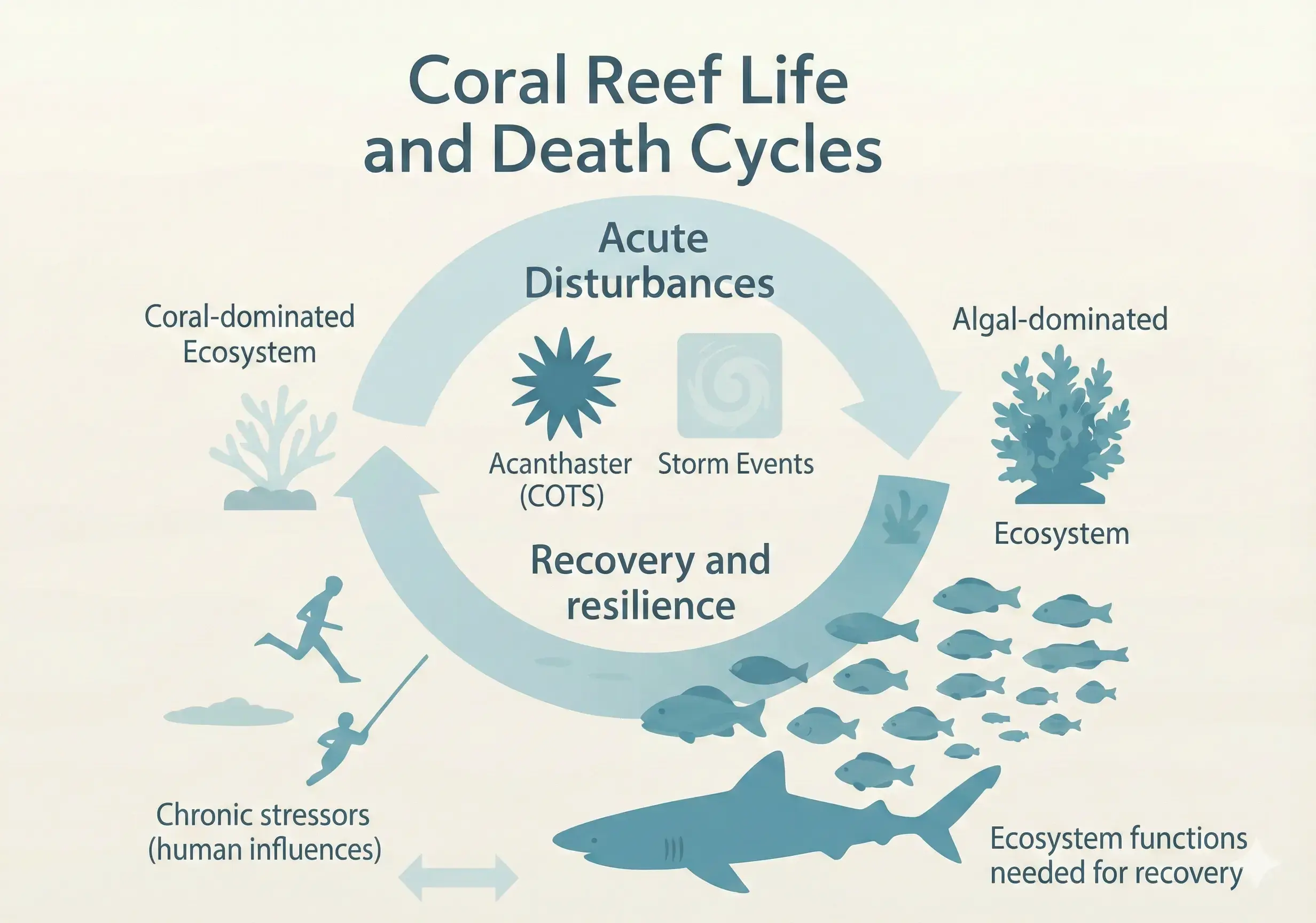
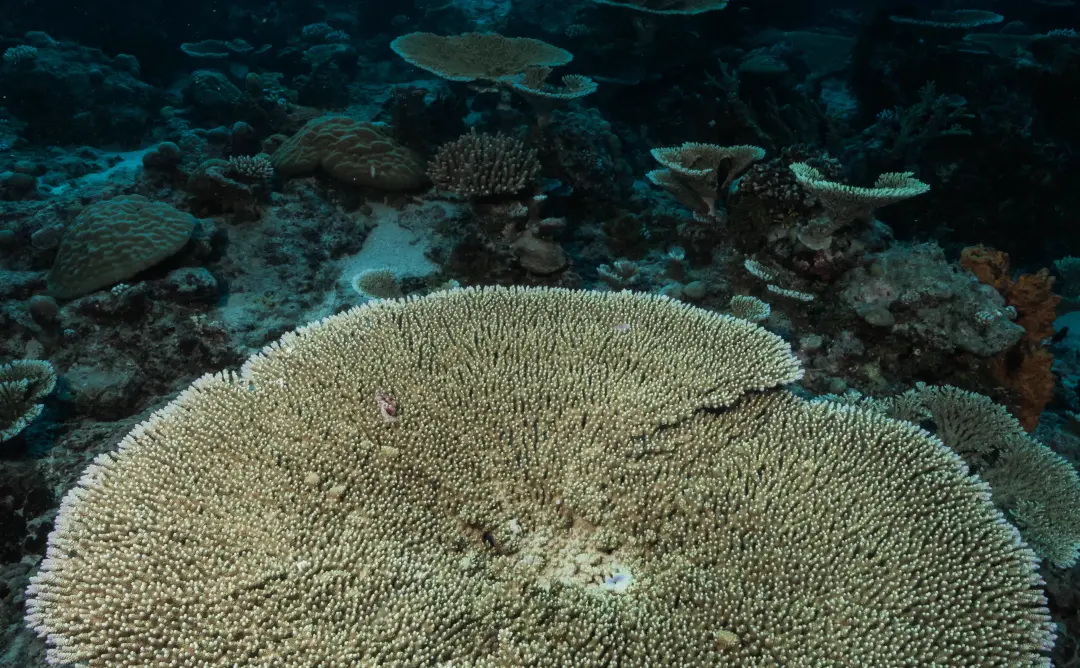
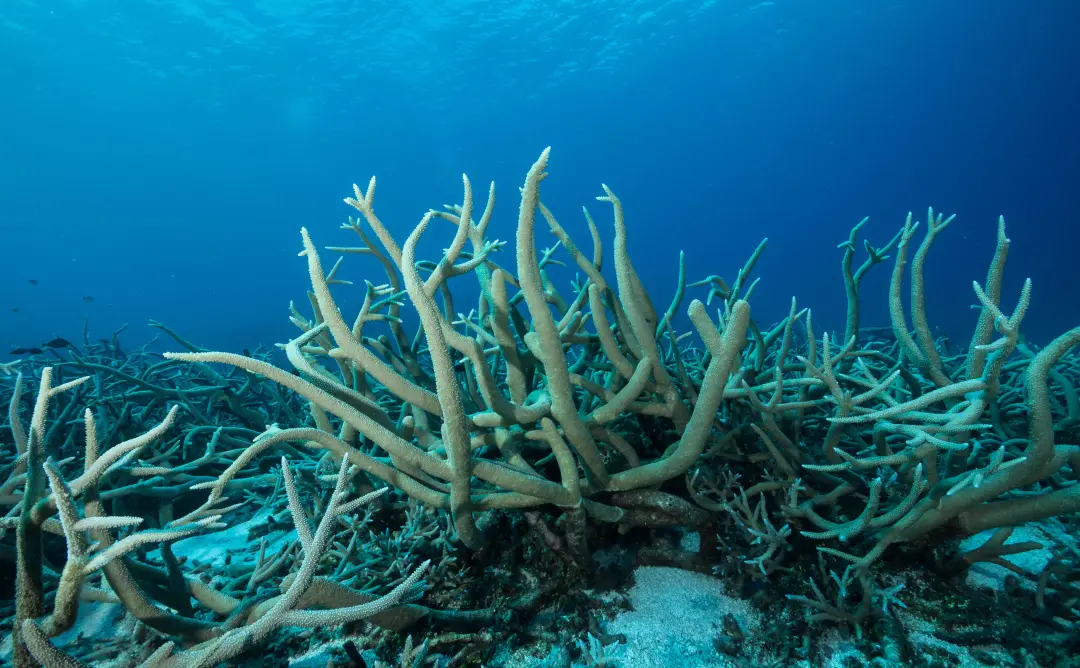
Coral Reef Life and Death Cycles
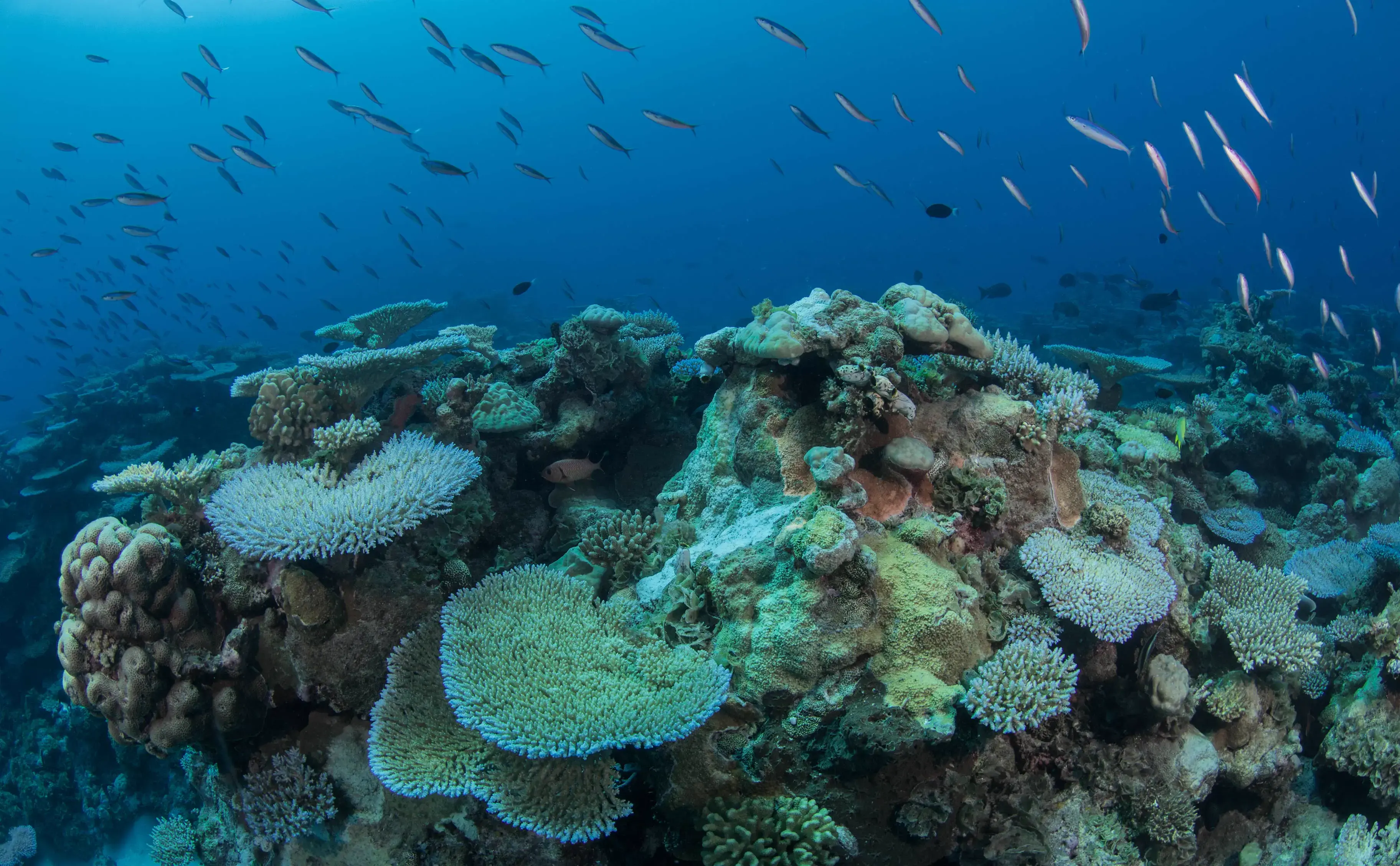
Effective conservation was defined early by the working group: a site is conserved if natural disturbance and recovery occur on expected timelines and recovery trajectories are intact. Local stressors (e.g., fishing, pollution) that slow or stop recovery indicate the site is not effectively conserved.
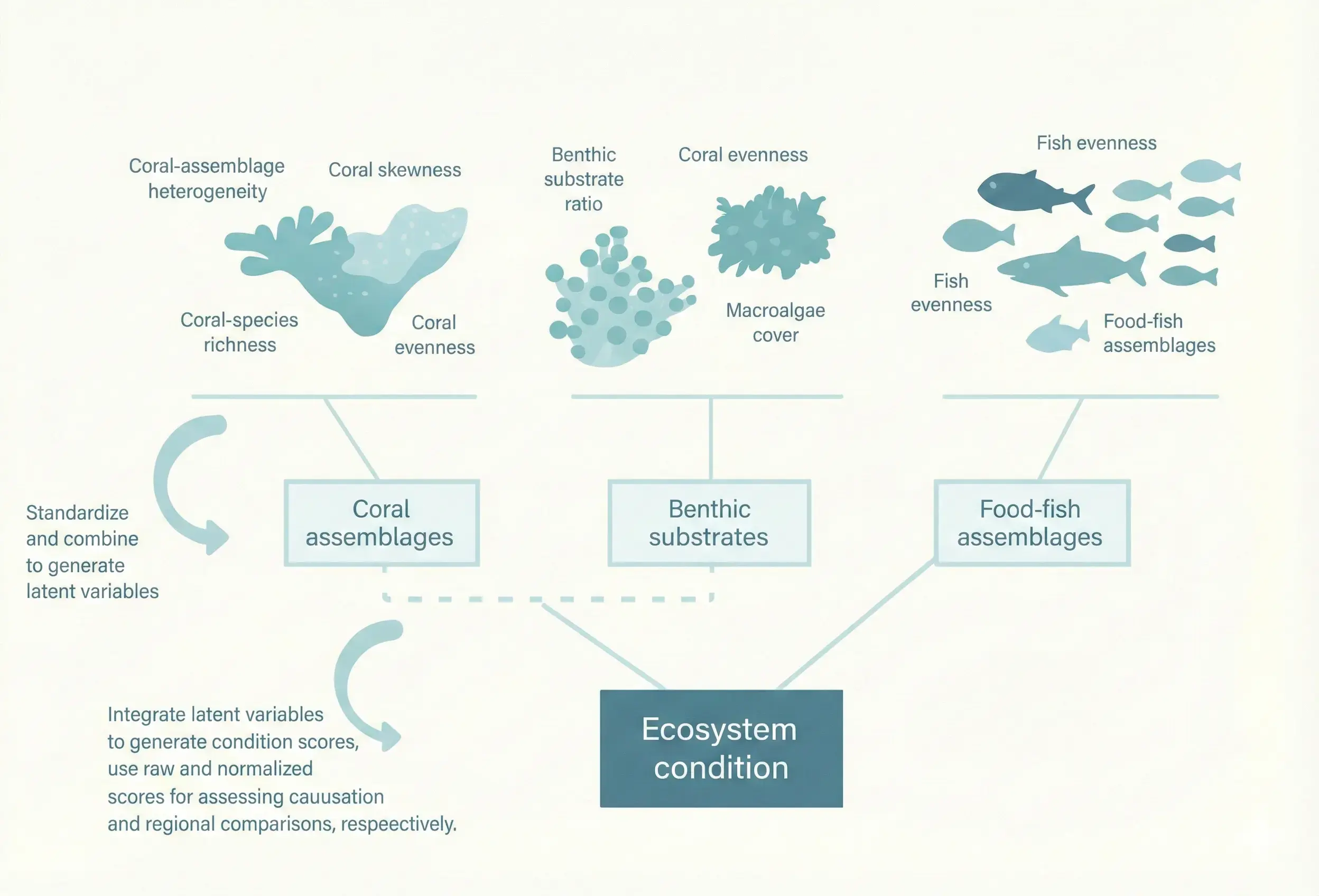
Ecosystem Condition
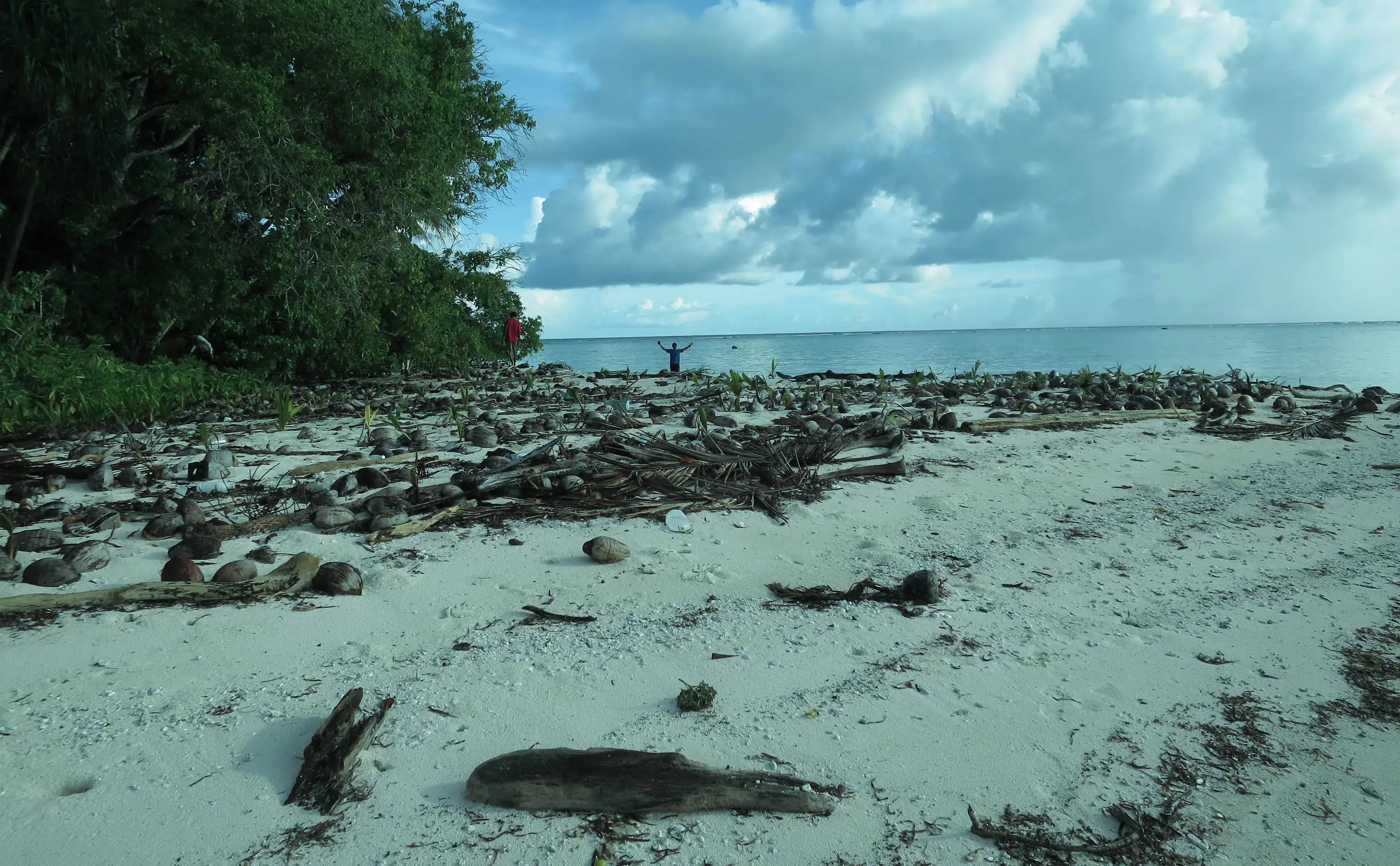
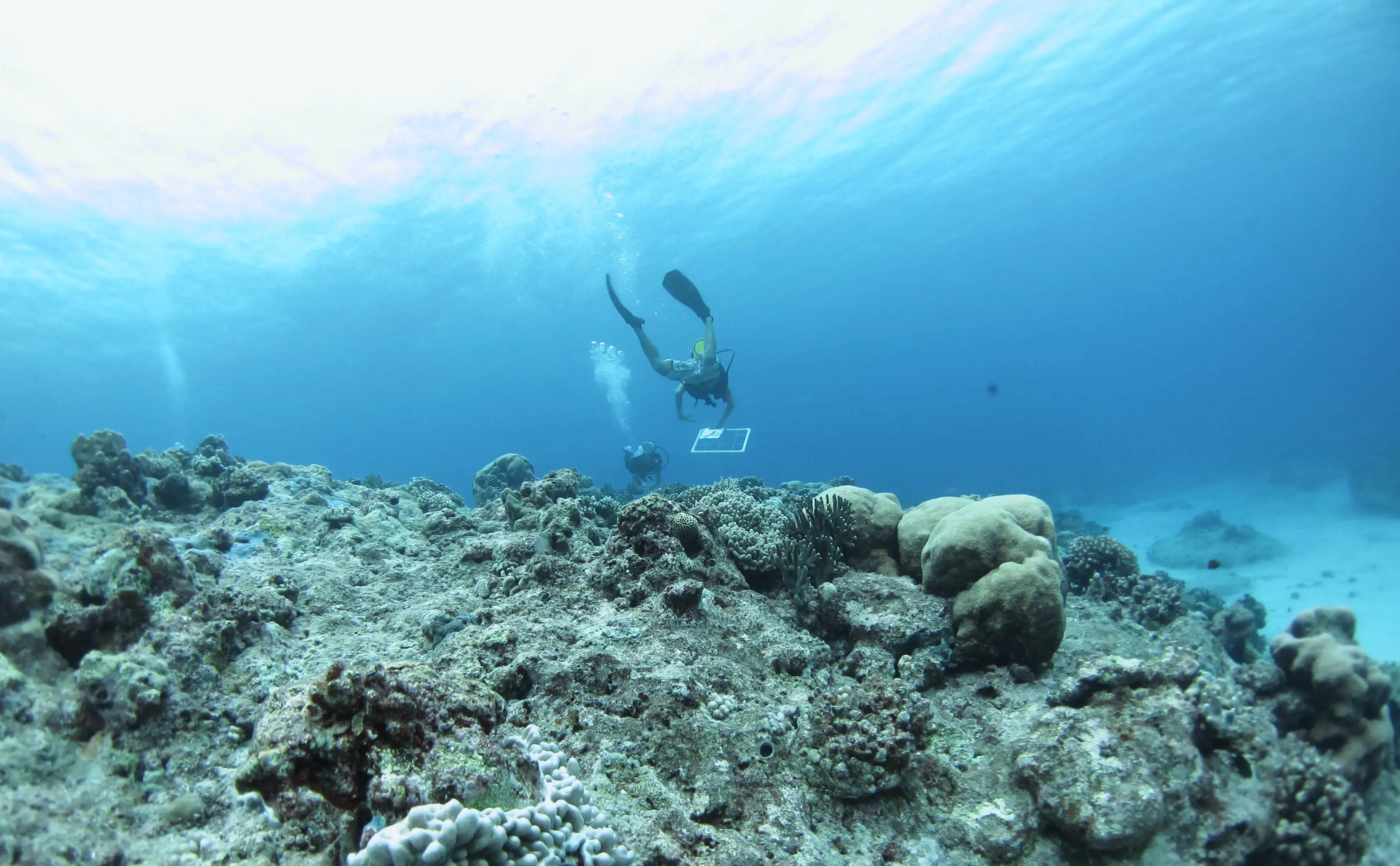
Because long-term standardized data were lacking, an interim spatial method compared sites to the highest-quality site in similar habitats. Sites were scored using multiple metrics that together describe overall reef health—analogous to combined health measures like blood pressure and cholesterol.

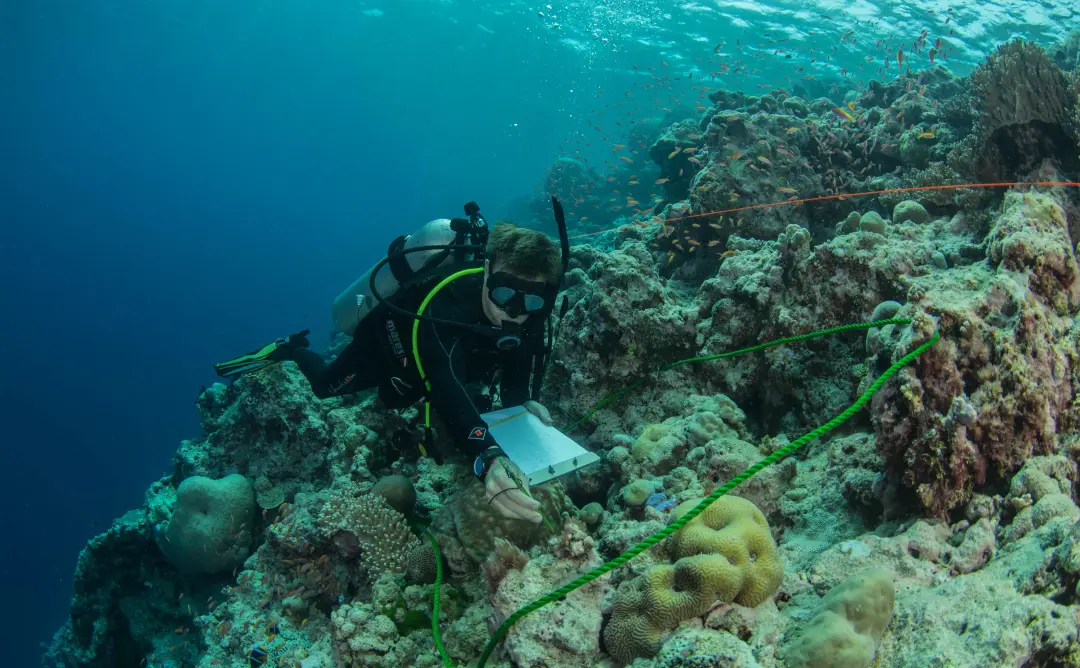
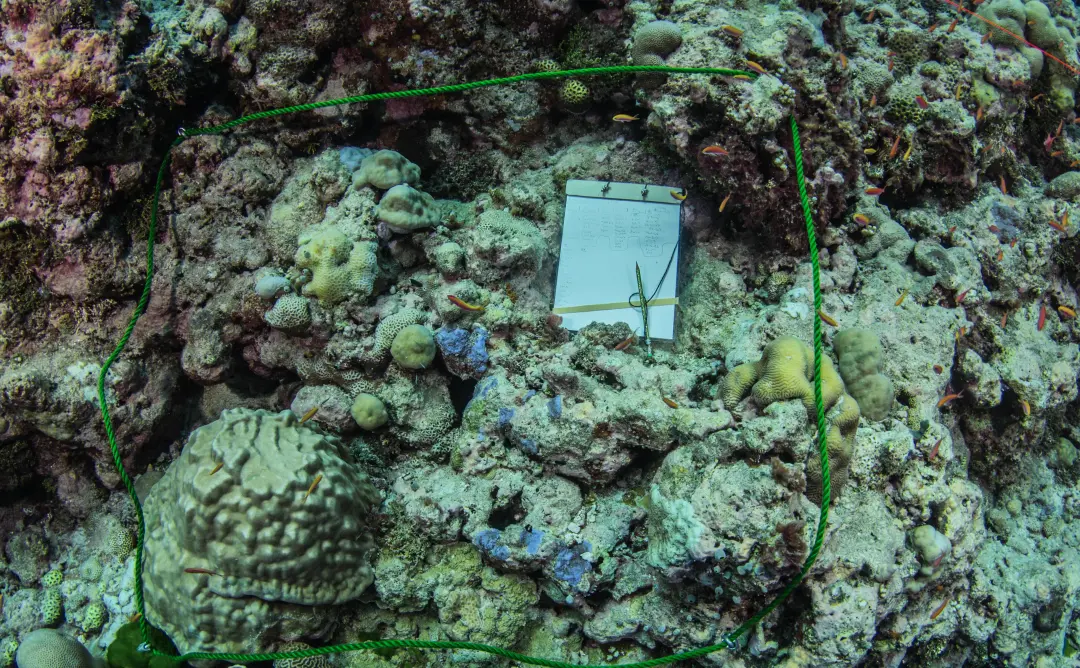
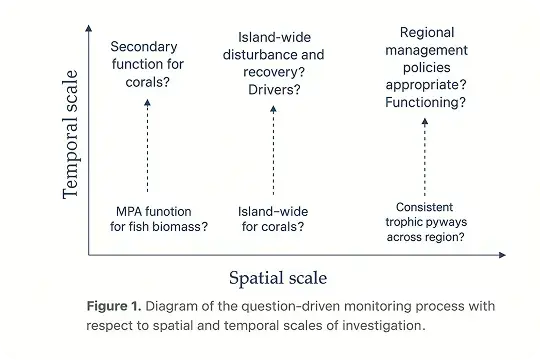
Question‑Driven Site Design
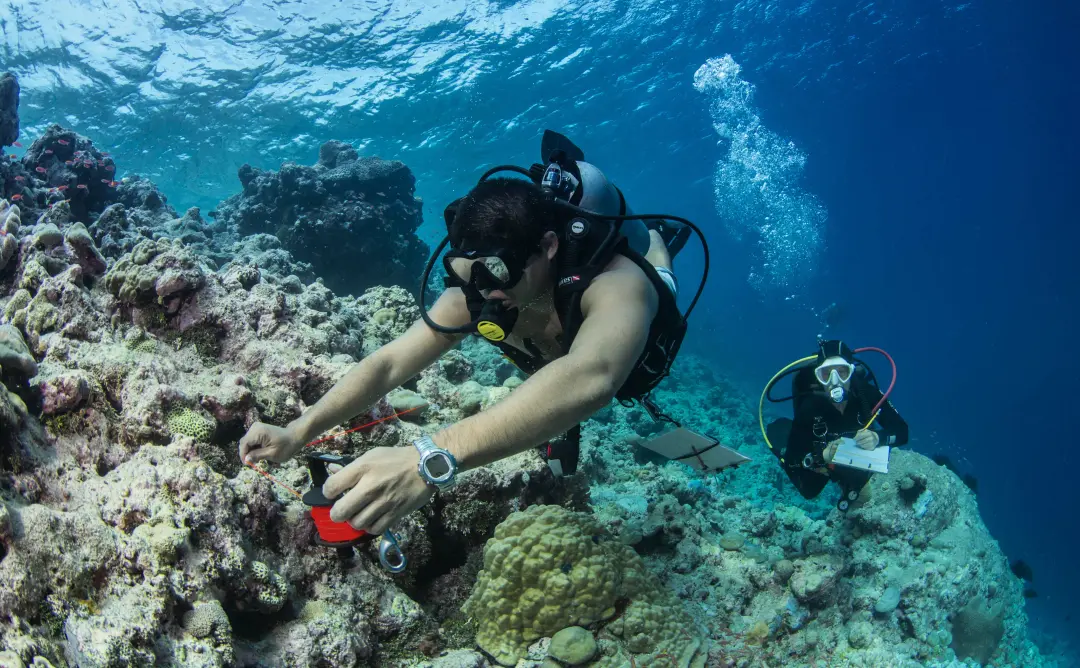
Monitoring designs were developed based on clear, concise questions of greatest importance to regional stakeholders, operating across a range of spatial and temporal scales. Although these questions span from local MPA performance to regional management effectiveness, they all share a common site-based foundation, ensuring that monitoring is grounded in conditions observed directly at specific locations.
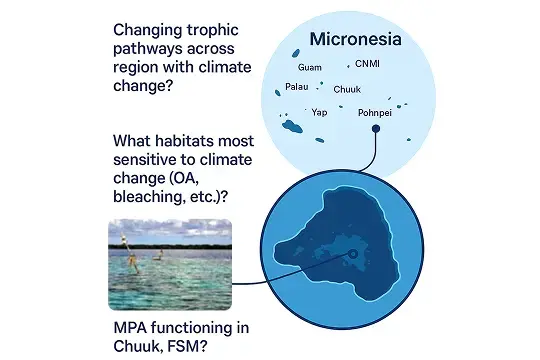
Regional Climate & Management Questions
At the regional scale, this framework supports questions about changing trophic pathways across Micronesia, climate-change sensitivity of different habitats (e.g., ocean acidification, bleaching), and MPA performance within specific jurisdictions, such as Chuuk in the Federated States of Micronesia. By nesting local questions within a broader regional context, the program links site-level ecological change to large-scale climatic and management drivers across Micronesia.






Benefits of a shared, standardized monitoring design
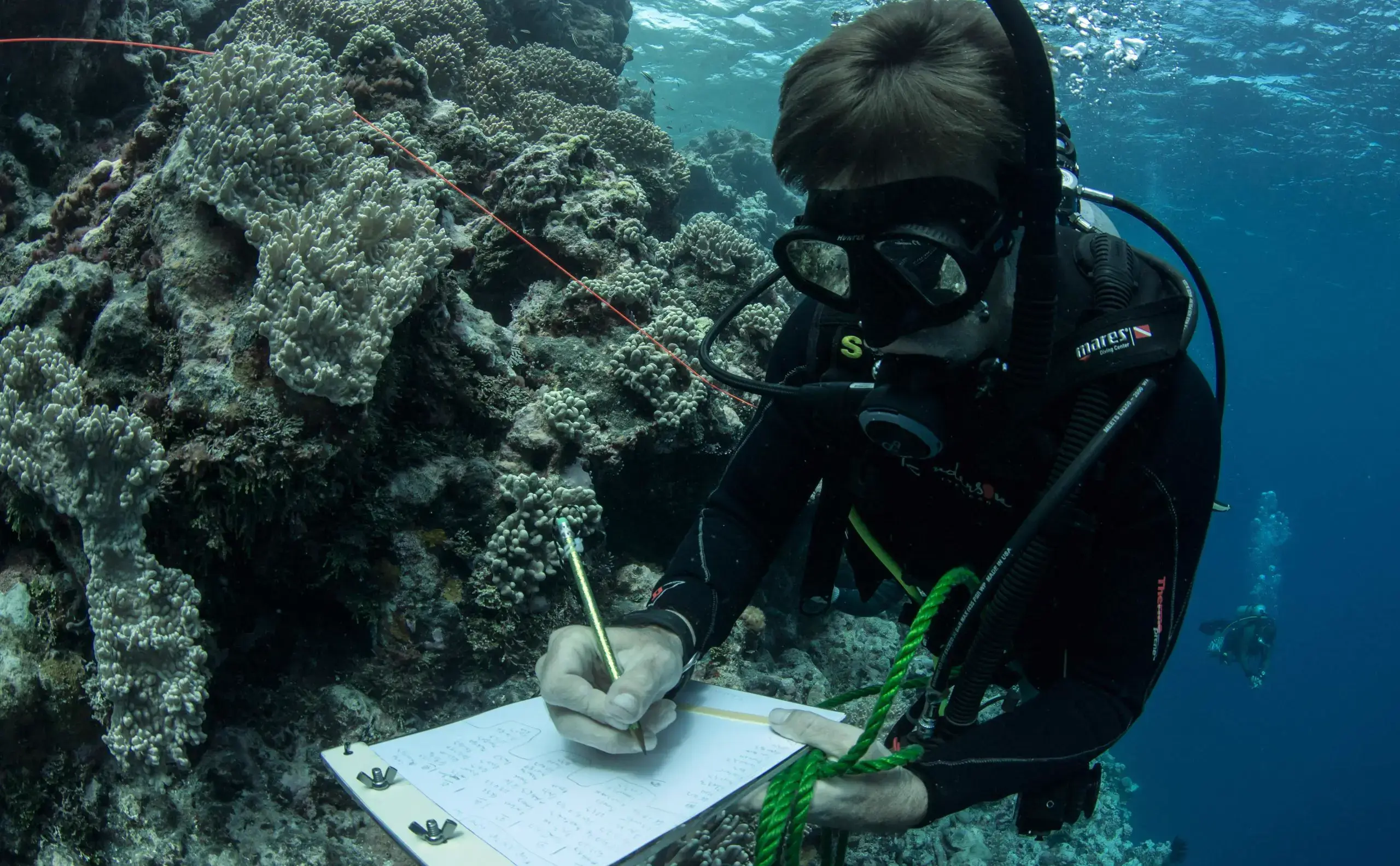
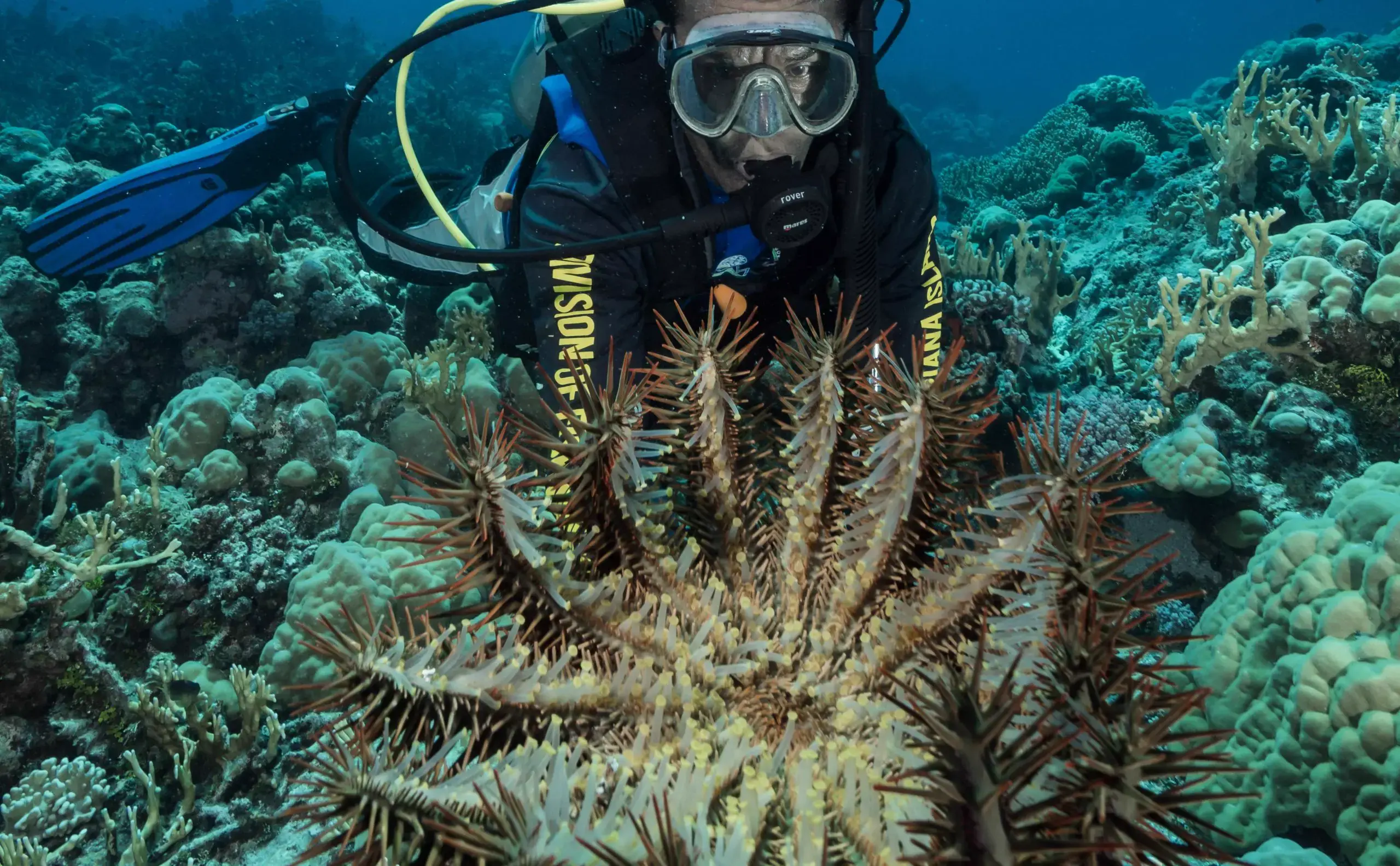
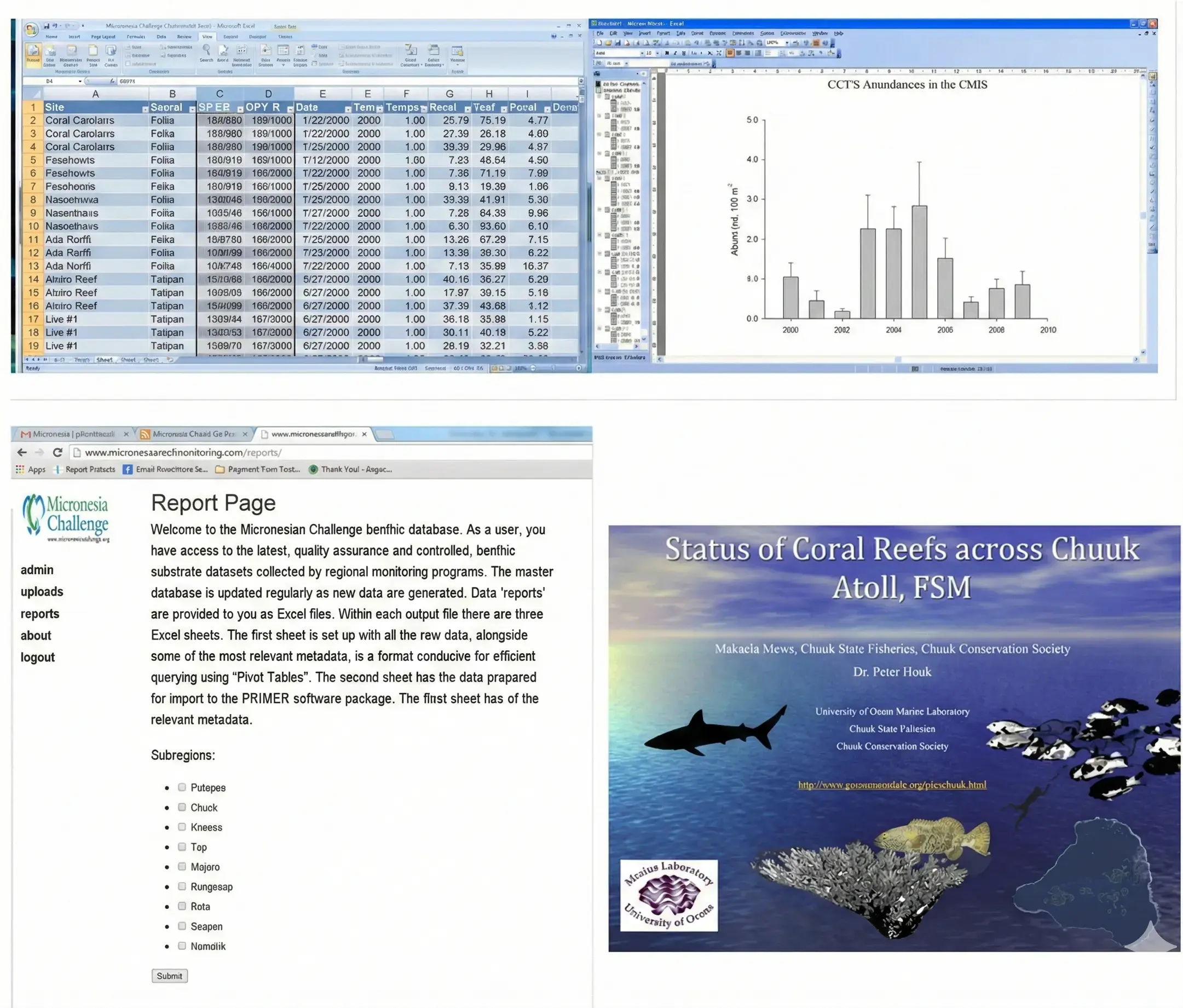
There have been many benefits of our shared, standardized monitoring designs that facilitated the very successful accomplishments of all milestones. Key benefits of the shared design have included integrated data analysis workshops and trainings, development of standardized online databases, and common approaches for developing outreach materials (Figure 3). These benefits are highlighted in the standardized evaluation process for Micronesian reefs below.
Figure 3. Benefits of a shared, standardized monitoring program: shared learning on data analysis training (left), creation of an online database to access the latest QA/QC data (middle), and common approaches towards disseminating information to stakeholders (right).
Are you ready to help?
Join, contribute, or collaborate with the Micronesia Reef Monitoring program
Email Us